

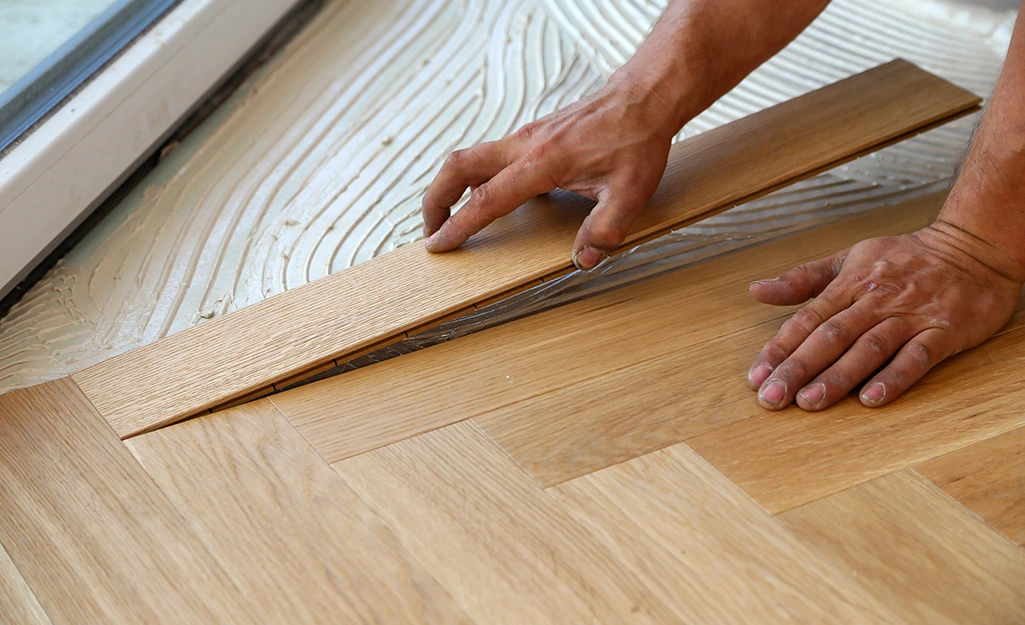
Engineered Wood Flooring has become one of the most popular flooring choices for homeowners and interior designers who want the elegance of real hardwood with improved stability and durability. Unlike solid hardwood, engineered wood flooring consists of multiple layers that work together to reduce expansion and contraction caused by changes in temperature and humidity. This makes it an excellent option for modern homes, apartments, offices, and commercial spaces.
Available in a wide variety of wood species, finishes, colors, and plank sizes, engineered wood flooring complements both traditional and contemporary interiors. It combines the authentic appearance of natural wood with practical performance, making it suitable for busy households and areas where moisture levels fluctuate.
This guide explains what engineered wood flooring is, its advantages, installation methods, maintenance requirements, and factors to consider before making a purchase.
What Is Engineered Wood Flooring?
Engineered wood flooring is a layered flooring product designed to provide the appearance of solid hardwood while offering greater structural stability.
The top layer consists of genuine hardwood veneer, giving each plank the natural grain, texture, and character of real wood.
Beneath the surface are multiple layers of plywood or high-density fiberboard that are bonded together in alternating directions.
This layered construction minimizes movement caused by humidity and seasonal temperature changes.
Because of its stability, engineered wood can often be installed in areas where traditional solid hardwood may not perform as well, including basements, kitchens, and rooms with underfloor heating.
It offers the timeless beauty of hardwood while improving durability and versatility.
Benefits of Engineered Wood Flooring
One of the biggest advantages of engineered wood flooring is its excellent dimensional stability.
Its layered construction reduces the risk of warping, shrinking, and expansion compared to solid hardwood.
The flooring also retains the authentic appearance of natural wood because the visible surface is made from real hardwood.
Installation is often quicker and more flexible than traditional hardwood flooring.
Many products feature click-lock systems that simplify installation without requiring extensive adhesives.
Engineered wood is available in numerous finishes, allowing homeowners to choose styles ranging from rustic oak to modern walnut.
It also adds value to residential properties due to its premium appearance and long-lasting performance.
With proper care, high-quality engineered wood flooring can last for decades.
Types of Engineered Wood Flooring
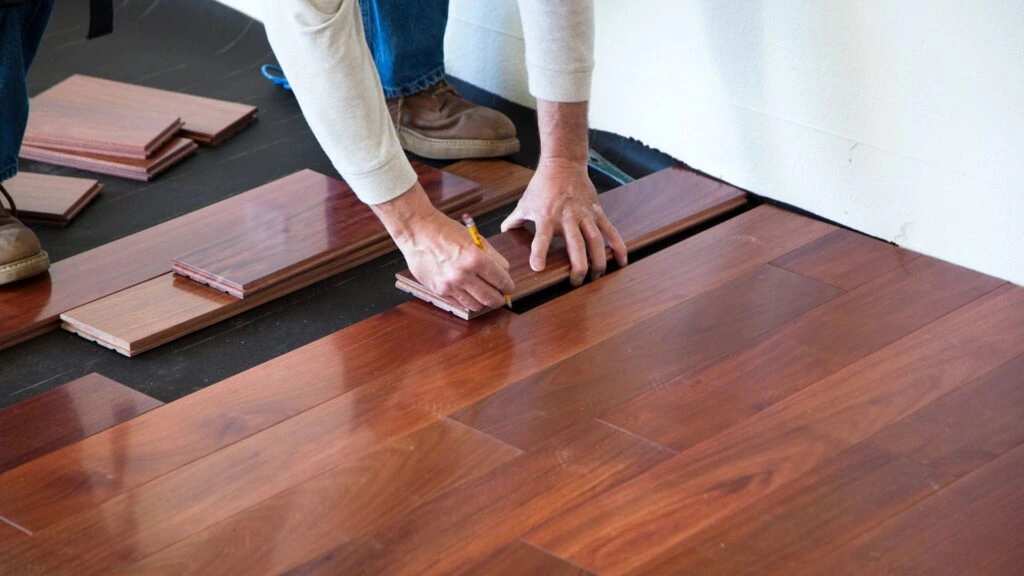
There are several types of engineered wood flooring available to suit different design preferences and budgets.
Oak Engineered Flooring
Oak remains one of the most popular choices because of its durability, attractive grain patterns, and timeless appearance.
Walnut Engineered Flooring
Walnut offers rich, dark tones that create luxurious and sophisticated interiors.
Maple Engineered Flooring
Maple features a lighter color palette and smooth grain, making it ideal for modern minimalist spaces.
Hickory Engineered Flooring
Hickory is known for its exceptional hardness and striking natural color variation.
Wide-Plank Flooring
Wide planks create spacious, elegant interiors while highlighting the natural beauty of wood.
Each option provides unique visual characteristics while maintaining the structural advantages of engineered construction.
Installation Methods
One reason homeowners choose engineered wood flooring is its installation flexibility.
Floating installation is among the most common methods.
Individual planks lock together without being permanently attached to the subfloor, making installation relatively quick.
Glue-down installation provides excellent stability and is often preferred for concrete subfloors.
Nail-down installation is another option when installing over wooden subfloors.
Some engineered flooring products are compatible with radiant floor heating systems, adding comfort while maintaining performance.
Professional installation helps ensure accurate alignment, proper expansion gaps, and long-term durability.
Following manufacturer recommendations is essential for achieving the best results.
Maintenance and Cleaning Tips
Maintaining engineered wood flooring is relatively simple.
Regular sweeping or vacuuming removes dirt and grit that may scratch the surface over time.
Use a damp microfiber mop instead of excessive water because standing moisture can damage wood.
Clean spills immediately to prevent staining or water penetration.
Furniture pads protect the flooring from scratches caused by chairs, tables, and heavy furniture.
Avoid harsh chemical cleaners or abrasive scrubbing tools that may damage protective finishes.
Maintaining consistent indoor humidity levels also helps preserve the flooring’s appearance.
Periodic refinishing may be possible depending on the thickness of the hardwood veneer.
Proper maintenance keeps engineered flooring attractive for many years.
Choosing the Right Engineered Wood Flooring
Several factors should influence your purchasing decision.
Consider the thickness of both the overall plank and the hardwood wear layer.
Thicker wear layers generally allow for longer service life and potential refinishing.
Select wood species and finishes that complement your home’s design style.
Matte finishes often hide minor scratches better than glossy surfaces.
Evaluate plank width, color variation, and texture to achieve your desired appearance.
Check manufacturer warranties and product certifications for quality assurance.
If installing in moisture-prone areas, choose products specifically designed for enhanced water resistance.
Balancing appearance, durability, budget, and maintenance requirements helps ensure long-term satisfaction.
Common Mistakes to Avoid
Some homeowners assume engineered wood flooring is completely waterproof.
Although it performs better than solid hardwood in humid conditions, prolonged water exposure can still cause damage.
Skipping subfloor preparation may result in uneven installation or unwanted movement.
Failing to acclimate flooring before installation can increase the risk of expansion or contraction later.
Using excessive water during cleaning may damage both the wood surface and underlying layers.
Purchasing low-quality products with thin wear layers may reduce durability and limit refinishing options.
Proper installation, regular maintenance, and careful product selection help maximize the lifespan of engineered flooring.
Final Thought
Engineered Wood Flooring offers an outstanding combination of natural beauty, durability, and modern performance. Its layered construction provides greater stability than traditional hardwood while preserving the authentic appearance of real wood. Whether renovating a single room or designing an entire home, engineered flooring delivers both style and practicality.
With numerous wood species, finishes, and installation methods available, homeowners can find options that suit nearly every interior design preference and budget. When properly installed and maintained, engineered wood flooring remains an attractive investment that enhances comfort, functionality, and property value for many years.
Choosing high-quality materials and following recommended care practices ensures lasting performance while allowing homeowners to enjoy the timeless elegance of genuine wood flooring.
FAQs
What is engineered wood flooring?
Engineered wood flooring is a multi-layer flooring product with a real hardwood surface and a stable plywood or fiberboard core.
Is engineered wood better than solid hardwood?
Both have advantages. Engineered wood offers greater stability in changing humidity conditions, while solid hardwood can typically be refinished more times.
Can engineered wood flooring be installed in kitchens?
Yes. Many engineered wood products perform well in kitchens because they resist moisture better than traditional solid hardwood, though standing water should still be avoided.
How long does engineered wood flooring last?
High-quality engineered wood flooring can last 20 to 40 years or more with proper installation and maintenance.
Can engineered wood flooring be refinished?
Some products with thicker hardwood wear layers can be refinished one or more times, depending on the manufacturer’s specifications.
Is engineered wood flooring easy to maintain?
Yes. Regular sweeping, light damp mopping, prompt spill cleanup, and avoiding excessive moisture help keep engineered wood flooring looking beautiful for years.
