

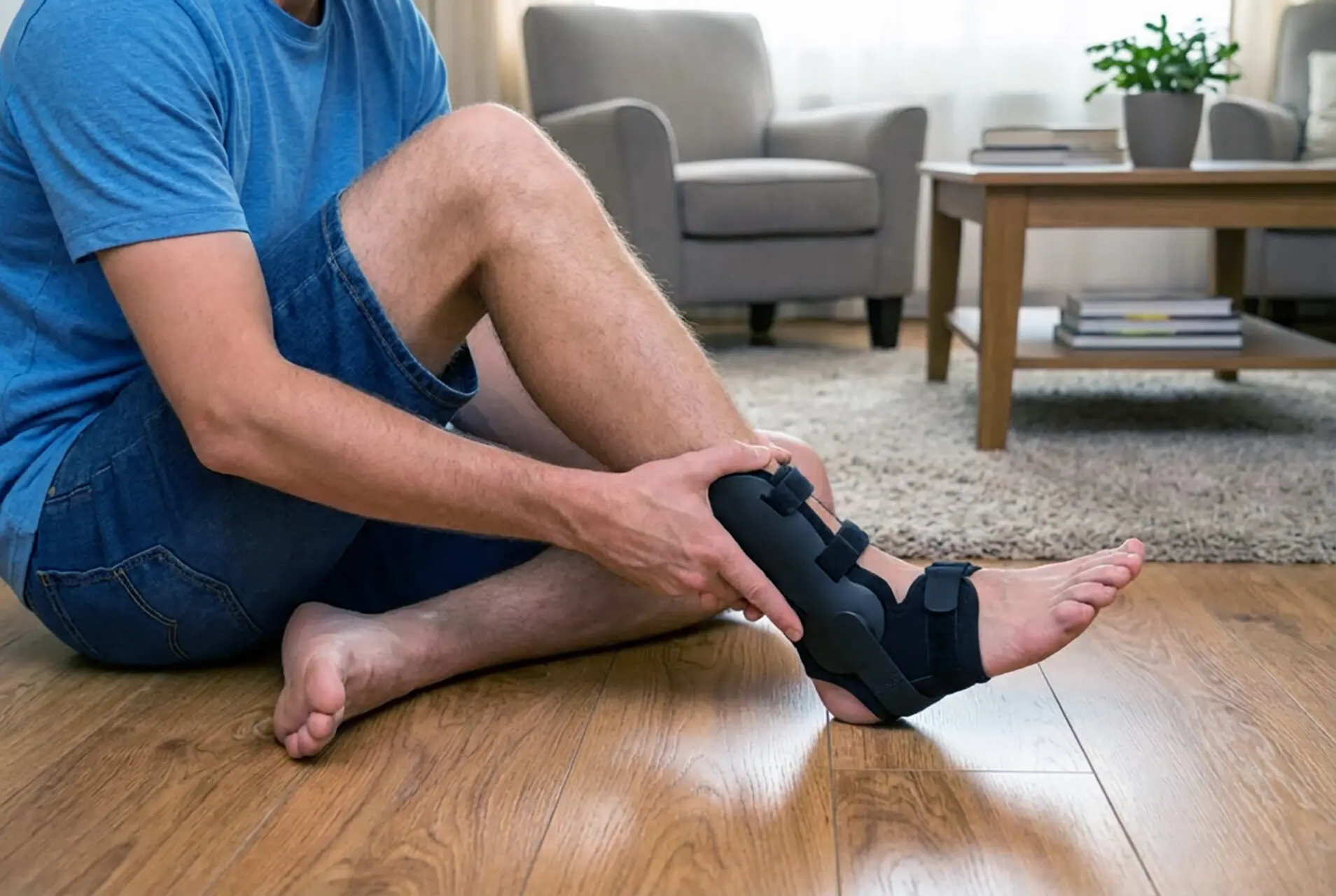
Selecting an appropriate foot brace is a key step in managing foot-related conditions and enhancing overall comfort. With a wide range of options available, understanding the specific needs and features of foot braces can assist in making an informed decision. This article outlines important considerations in choosing the right foot brace for support and comfort, highlighting the benefits and key factors to evaluate.
Understanding the Purpose of a Foot Brace
A foot brace is designed to provide stability, reduce pain, and improve mobility by supporting the foot structure. Individuals suffering from conditions such as plantar fasciitis, flat feet, fractures, or ligament injuries often benefit from the added support a foot brace offers. Proper use can assist in the healing process and help prevent further injury.
Types of Foot Braces
Foot braces come in various styles, each tailored to address specific foot issues. Some offer rigid support for immobilising the foot, while others provide compression and cushioning to ease discomfort. Examples include ankle-foot orthoses (AFOs), plantar fasciitis night splints, and arch supports. Choosing the right type depends on the nature and severity of the condition.
Material and Construction
The material used in a foot brace affects both comfort and durability. Common materials include neoprene, nylon, foam, and metal. Neoprene provides warmth and compression, while metal components may be incorporated for rigid support. Breathable fabrics are essential for prolonged use to maintain comfort and prevent skin irritation.
Size and Fit
Proper sizing ensures the foot brace delivers effective support without causing discomfort. Ill-fitting braces may lead to further injury or circulation problems. Most manufacturers offer sizing charts, and it is advisable to measure the foot accurately before purchasing. Adjustable straps and fasteners can enhance the fit and accommodate swelling.
Support Level Required
The level of support needed varies according to the injury or condition. Mild conditions may only require basic compression, whereas severe injuries might necessitate rigid immobilisation. Consulting a healthcare professional can help determine the appropriate support level for individual needs.
Ease of Use
A foot brace should be easy to put on and remove, especially if it is intended for daily use. Designs with velcro straps or stretchy materials can facilitate quick application. Consideration should also be given to compatibility with footwear to ensure convenience during activities.
Comfort Considerations
Comfort is a critical factor in choosing a foot brace. Prolonged discomfort can discourage consistent use, undermining the therapeutic benefits. Padding, seamless designs, and moisture-wicking materials contribute to improved comfort. Testing different options can help identify the most suitable brace.
Durability and Maintenance
The longevity of a foot brace depends on the quality of materials and daily care. Braces that are easy to clean and maintain will remain effective over extended periods. Manufacturers may provide guidelines for washing and upkeep to preserve the brace’s condition.
Cost and Availability
Price can influence the choice of a foot brace. While it is important not to compromise on quality, budget-friendly options may also provide adequate support. Some suppliers offer a variety of braces at different price points. It is worthwhile to compare products to find a balance between cost and functionality.
Professional Guidance
Seeking advice from healthcare providers such as podiatrists or physiotherapists is beneficial. These professionals can recommend specific braces aligned with the patient’s medical history and rehabilitation goals. They can also assist with proper fitting and usage instructions.
Testing and Trial Periods
Trying a foot brace before committing to a purchase can ensure suitability. Some retailers provide trial periods or satisfaction guarantees. This opportunity allows users to evaluate comfort, fit, and effectiveness in real-life scenarios.
Additional Features
Certain foot braces include features such as adjustable tension, heat retention, or extra cushioning. These enhancements can contribute to symptom relief and user experience. Assessing the relevance of these features to one’s condition can guide the selection process.
Importance of Quality and Certification
Choosing a foot brace from reputable manufacturers ensures adherence to quality and safety standards. Certifications and clinical endorsements add credibility, indicating that the product meets recognised benchmarks. This assurance can provide peace of mind concerning the brace’s reliability.
Where to Purchase a Foot Brace
Foot braces are available through various channels including pharmacies, medical supply stores, and online retailers. One reliable option to explore is the collection of foot brace products offered by specialised suppliers. Online platforms often provide detailed descriptions and customer reviews which can assist in making an informed decision.
Conclusion
Selecting the right foot brace involves careful consideration of the condition, the type of support required, size, comfort, and quality. Consulting healthcare professionals and exploring reputable sources can enhance the selection process, ensuring effective support and improved comfort. By evaluating these factors, individuals can find foot braces that contribute positively to their foot health and overall well-being.
