

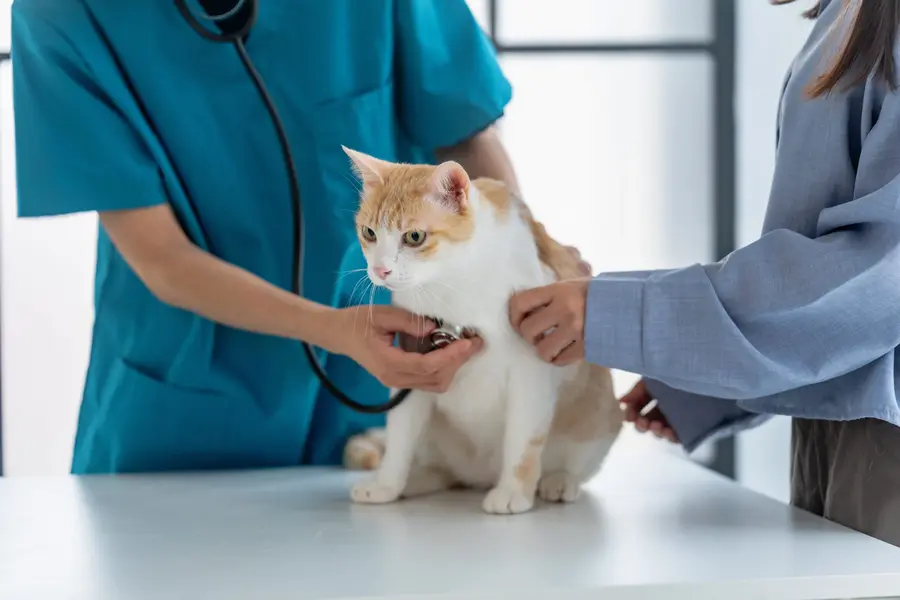
Pets are beloved members of many households, and their health is a major concern for owners. Among the various health issues pets may face, the development of skin lumps is a common problem. Early detection and appropriate lump removal are crucial for ensuring the best outcomes for animals affected by these growths.
Understanding Skin Lumps in Pets
Skin lumps in pets can arise from a range of causes, including benign cysts, abscesses, infections, inflammatory reactions, or malignant tumours. While not all lumps are dangerous, some may indicate serious underlying health conditions. Therefore, it is essential to observe and evaluate any new or unusual growths on a pet’s skin promptly.
Causes of Skin Lumps in Pets
Lumps may develop due to cellular proliferation, accumulation of fluids, or infections. Common benign lumps include sebaceous cysts, lipomas (fatty tumours), and skin tags. Malignant lumps may include mast cell tumours, fibrosarcomas, or melanoma. The nature of the lump often determines the urgency and type of treatment required.
Signs and Symptoms to Watch For
Pet owners should regularly inspect their animals for lumps, especially if a pet has previously had skin growths. Characteristics that require veterinary attention include lumps that grow rapidly, change in size or colour, bleed, or ulcerate. Other symptoms that may accompany lumps include pain, discomfort, itching, or behavioural changes in the pet.
Importance of Early Detection
Detecting skin lumps early allows for more effective treatment and can significantly improve the prognosis, especially if the lump is malignant. Early intervention may prevent the spread of cancerous cells to other parts of the body and reduce the complexity of the required surgery or treatment.
Regular check-ups with a veterinary professional are recommended. In addition, pet owners should perform routine examinations by palpating the skin to feel for any abnormalities. Documentation of size and changes in lumps can aid vets in assessing progression or regression over time.
Evaluation and Diagnosis by a Veterinarian
Upon detecting a lump, a veterinary professional will conduct a thorough examination. This may include a physical assessment of the lump’s size, texture, mobility, and location. Diagnostic procedures often involve fine needle aspiration cytology or biopsy to determine the nature of the lump.
Imaging techniques such as X-rays or ultrasound may also be utilised to evaluate whether the lump has affected underlying structures or if there are signs of metastasis. Blood tests might be performed to assess the pet’s overall health prior to any surgical intervention.
Options for Lump Removal
Depending on the diagnosis, lump removal can be performed through various surgical techniques. The approach will depend on factors such as the size and location of the lump, the type of tissue involved, and whether malignancy is suspected.
In cases where the lump is benign and non-problematic, monitoring may be sufficient. However, malignant or rapidly growing lumps typically require surgical excision with clear margins to reduce the risk of recurrence.
Surgical Procedures and Considerations
Surgery is generally performed under general anaesthesia to ensure the pet’s comfort and immobility. Post-operative care is critical and may include pain management, wound care, and restrictions on activity. In some cases, additional treatments such as chemotherapy or radiotherapy may be recommended depending on the type of tumour removed.
Risks and Benefits of Lump Removal
The benefits of removing a lump include relief of discomfort, elimination of potentially cancerous tissue, and improved quality of life for the pet. Risks associated with surgical removal include infection, bleeding, and complications related to anaesthesia. These risks are generally low when conducted by experienced veterinary surgeons.
Post-Removal Monitoring and Care
After lump removal, regular monitoring of the surgical site is essential to detect any signs of infection or recurrence. Follow-up appointments allow the veterinary team to assess healing and review histopathology results, which guide further treatment if necessary.
Owners should be informed of how to care for their pet during recovery, including keeping the area clean, preventing scratching or licking, and administering prescribed medications as directed. Adhering to post-operative instructions improves recovery outcomes.
Preventive Measures and Routine Checks
While it is not always possible to prevent skin lumps, maintaining a pet’s overall health can reduce risk factors. A balanced diet, regular exercise, prompt treatment of skin conditions, and avoiding exposure to environmental carcinogens support good health.
Routine veterinary visits for health screenings contribute to early detection of lumps and other potential issues. Pet owners can also employ monthly at-home examinations to familiarise themselves with their animal’s normal skin and identify changes promptly.
Conclusion
Skin lumps in pets require careful attention due to the wide spectrum of potential causes. Early detection combined with professional evaluation facilitates timely lump removal when necessary, increasing the chances of successful treatment and recovery.
Educating pet owners on recognising suspicious lumps and encouraging routine health checks supports proactive pet healthcare. Close collaboration between pet owners and veterinarians ensures that skin lumps are managed effectively to maintain a pet’s health and well-being.
