

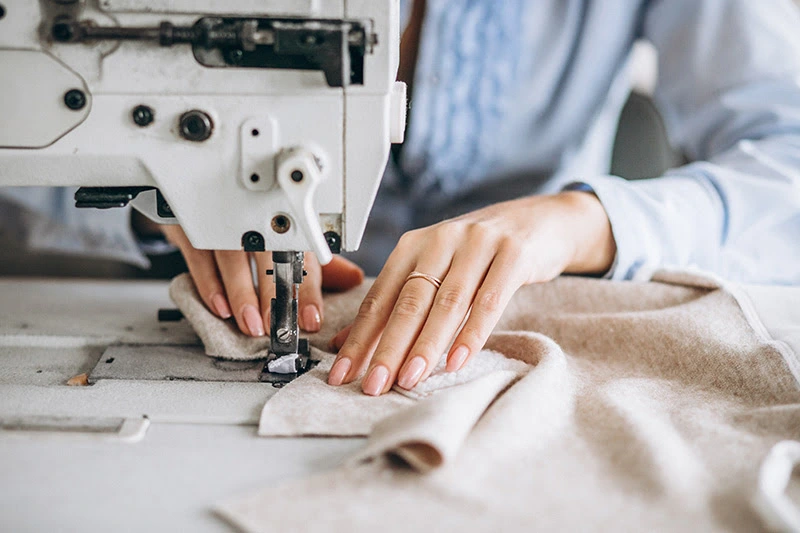
The selection of an appropriate industrial sewing machine is a critical decision for businesses involved in garment production, upholstery, leatherwork, and various other sectors. With the wide range of options available, understanding the key factors that influence efficiency and durability is essential for making a choice that benefits both productivity and long-term investment.
Understanding Industrial Sewing Machines
Industrial sewing machines differ significantly from domestic ones in terms of power, speed, and capacity. They are designed for heavy-duty use and can handle thicker materials with consistent precision. The term industrial sewing machine refers to this specialised category of machines often utilised in manufacturing environments that demand high output and robustness.
Considerations for Efficiency
Efficiency in sewing operations is measured by factors such as speed, ease of use, and minimisation of downtime. When choosing an industrial machine, attention should be given to the stitching speed, which can vary according to the mechanism – for example, single needle or double needle models.
Sewing machines with higher stitch speeds reduce production times, but it is important to match the speed to the type of materials being sewn to avoid compromising stitch quality. Additionally, machines with automated features like thread trimming and programmable stitch patterns can enhance workflow efficiency.
Durability Factors
Durability is a primary concern when investing in an industrial sewing machine. Machines constructed with high-quality components such as metal frames, hardened steel parts, and robust motors tend to last longer under heavy usage. It is important to evaluate the brand reputation and user reviews regarding machine longevity.
Maintenance requirements also influence durability. Machines that are easier to service and clean can sustain optimal performance over an extended time. Accessibility to spare parts and technical support adds to the overall sustainability of the equipment.
Types of Industrial Sewing Machines
There are various types of industrial sewing machines, each designed for specific tasks. Straight stitch machines are common for general sewing, while overlock machines serve the purpose of edge finishing and seam reinforcement.
Specialised machines include bar tacking machines for reinforcing areas subject to strain, buttonhole machines, and embroidery machines. Understanding the production needs and the materials involved helps in selecting the right model tailored for the operation.
Material Compatibility
The thickness and type of materials influence the choice of industrial sewing machines. For example, leather and heavy canvas require machines with greater power and specialised needles. Conversely, machines designed for light fabrics may not deliver the necessary performance for such heavy materials.
Ensuring that the machine matches the operational demands prevents frequent breakdowns and maintenance issues, contributing to overall efficiency.
Power Source and Energy Considerations
Industrial sewing machines may operate using electric motors with various power ratings. Higher power levels enable the machine to handle thicker materials and maintain higher speeds without strain. However, energy consumption should be considered in relation to operational costs.
Modern machines often include energy-saving features that reduce power usage during idle times or lower operating speeds when full power is not required. This can contribute to cost savings and environmental responsibility.
Ergonomics and User Comfort
Operator comfort directly affects productivity and precision. Industrial sewing machines designed with ergonomic considerations, such as adjustable tables, convenient control placements, and smooth operation, can reduce fatigue and errors.
Training users to effectively operate the machines also maximises efficiency and ensures that the equipment is used within its optimal capabilities.
Cost Versus Value
While budget constraints often influence purchasing decisions, a focus on overall value rather than initial cost is advisable. Machines that might appear expensive initially can reduce downtime, maintenance costs, and waste over time.
It is important to assess the total cost of ownership, including purchase price, maintenance, energy consumption, and expected lifespan, to determine the best investment for sustained industrial sewing operations.
Supplier and Support Services
Choosing a reliable supplier is a key component in selecting an industrial sewing machine. Suppliers who provide comprehensive after-sales support, training, and readily available spare parts help maintain the operational continuity of the machinery.
Customers benefit from suppliers with expert knowledge who can recommend machines tailored to specific industry needs and assist with troubleshooting and repairs.
Technological Advances in Industrial Sewing
The industry has seen significant technological developments that enhance both efficiency and durability. Computerised control systems allow for precision stitching, automated pattern repetition, and error reduction.
Some machines feature connectivity options for integration with production management systems, enabling better tracking and optimisation of sewing processes.
Environmental Impact and Sustainability
Modern manufacturing practices emphasise sustainability. Selecting industrial sewing machines that are energy-efficient and capable of handling recycled or eco-friendly materials supports environmental objectives without sacrificing performance.
Reducing waste through precise and consistent stitching also contributes to more sustainable operations.
Summary
Choosing the right industrial sewing machine requires a comprehensive evaluation of efficiency, durability, application requirements, and total investment value. Attention to machine type, material compatibility, power, ergonomics, supplier support, and technological features leads to informed decisions that enhance production capabilities.
For businesses seeking reliable equipment, the industrial sewing machine options available through reputable suppliers provide a balance of performance and durability suited to a variety of industrial applications. Ensuring proper alignment between machine capabilities and operational needs is the foundation of successful industrial sewing implementation.
