

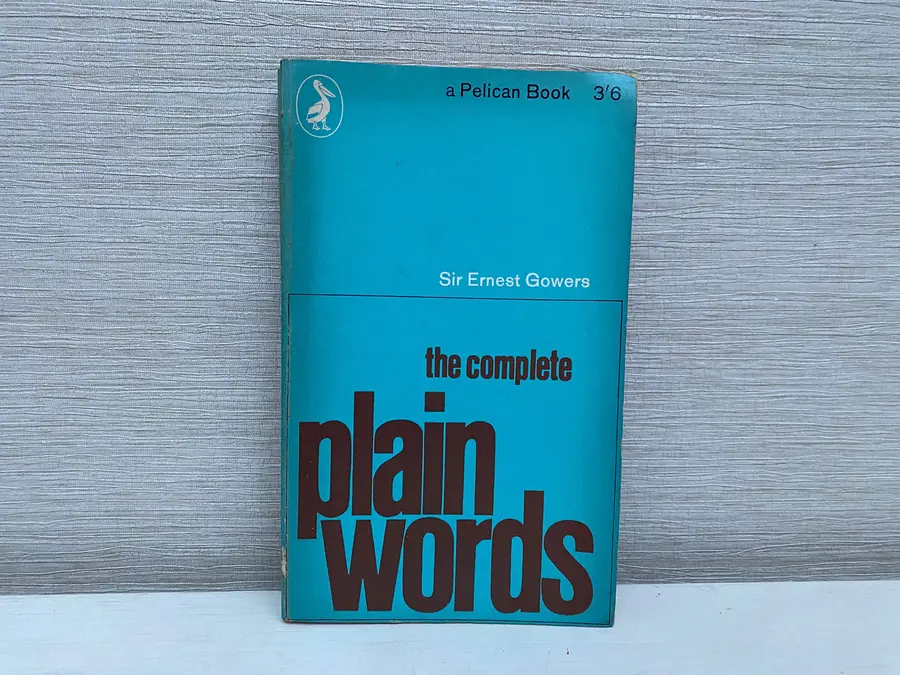
Words give shape to thought. When words stay simple, minds connect with ease. Throughout human history, writers have used long words to sound smart. Yet, true mastery shows when a person explains deep thoughts with small words. A reader should never feel lost on a page. Every sentence must serve as a clean window into a new fact or idea.
Modern life moves at a fast pace. Most people scan pages on mobile screens while on the bus or during a quick lunch break. If a text feels thick or clumsy, the reader clicks away in an instant. Because of this habit, plain language has become a vital skill for teachers, coders, doctors and business managers alike. Clear speech saves time, stops errors and makes shared knowledge open to all.
Simple Terms Explain Complex Digital Systems
Every trade has its own jargon. When experts talk only to each other, they use shorthand terms that confuse outsiders. For instance, when web analysts review digital banking rules, user privacy laws and cross-border platforms such as offshore casinos, they often drown readers in heavy legal jargon. A skilled explainer strips away that dense fog and states the facts in plain view: what the platform does, where its license sits and what rights the user retains.
In truth, clarity requires constant practice. You must look at each sentence through the eyes of a beginner. If a word can be removed without losing the core truth, cut it out. Short nouns and brisk verbs keep the blood flowing through a piece of writing.
Core Rules for Crisp Sentences
Good prose follows reliable patterns. When you craft an essay, memo or web post, keep these primary habits close at hand:
- Pick Short Words: Choose “buy” instead of “purchase” and choose “help” instead of “facilitate.”
- Cut Empty Fillers: Drop phrases like “in order to” when a simple “to” does the job just as well.
- Keep Subjects Up Front: State who acts before you state what happened to them.
- Limit Sentence Length: Aim for twelve to fifteen words in a single breath so the eye never tires.
By sticking to these basic rules, any piece of rough copy transforms into a swift, inviting read.
Readability Metrics Measure Audience Comfort
Writers often wonder how to test their own work. Over the past century, reading experts built mathematical scales to score text difficulty. These formulas count syllables, tally words per sentence and check vocabulary against known school levels. The goal is never to dumb down the truth; the goal is to make deep truths easy to absorb.
The table below outlines four major readability scales, their grading benchmarks, core measurement factors and ideal publishing targets:
| Metric Name | Primary Measurement Factor | Target Grade Score | Ideal Publishing Use |
| Flesch Reading Ease | Average sentence length and syllable count | 80 to 90 (Easy to read) | Consumer health sheets and basic news briefs |
| Flesch-Kincaid Grade | Word count per sentence and syllables per word | 5th to 7th Grade | Public guides and web tutorials |
| Gunning Fog Index | Complex words with three or more syllables | Score of 6 to 8 | Daily business emails and training guides |
| SMOG Formula | Polysyllabic word count within 30 sentences | Grade 6 or lower | Patient medication labels and safety signs |
Practical Steps Toward Lighter Prose
Testing your work against a mathematical scale is simple when you break the editing phase into distinct passes.
First Step: Identify Heavy Noun Strings
Writers often stack three or four big nouns together to name a single concept. For instance, an office memo might mention an “urgent team performance improvement strategy.” That phrase feels like a brick. You can soften it right away by writing “our plan to help the team work faster.”
Second Step: Activate Passive Voice
Passive verbs hide the person who does the work. When a report says “the mistake was made,” nobody takes responsibility. Rewrite the thought so the actor stands tall: “our crew made an error.” Active verbs give a story its pulse.
Third Step: Read Aloud to Check Rhythm
Your ear catches flaws that your eyes skip over. If you run out of breath before you reach a period, that sentence runs too long. Break the line into two neat halves, insert a period and let the reader breathe.
Clean Communication Stands the Test of Time
Clear speech is an act of respect toward the reader. When you take the extra time to prune long phrases, you hand your audience a gift of clarity. Whether you explain science, write local news or draft simple user guides, let your words stay honest, direct and bright. The best message is always the one that every person can understand on the first try.
