

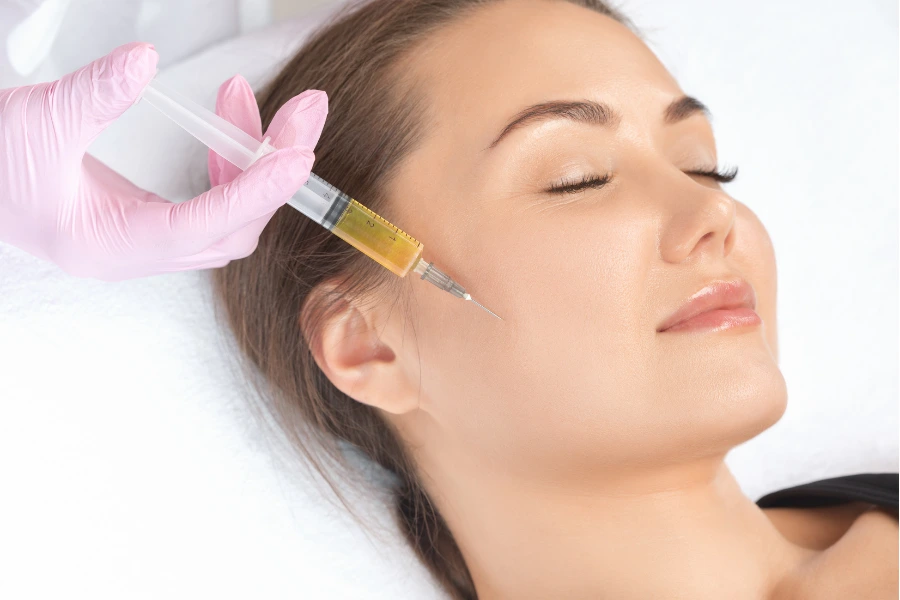
The PRP Skin Treatment is a cosmetic procedure that’s becoming more common amongst the people who wish to enhance their skin quality with the help of their own natural healing mechanisms. Popularly known as platelet-rich plasma therapy, this procedure involves the transfusion of a patient’s own blood for skin revitalization, collagen synthesis and skin renewal.
Unlike other cosmetic procedures which use artificial substances, PRP uses growth factors occurring naturally in blood. These ingredients are essential to promote skin repair processes and make the skin look smoother, brighter and younger.
As the desire for a minimally invasive aesthetic procedure has grown, PRP skin therapy has become popular amongst those who wish to experience a natural aesthetic look without significant downtime. Read on to learn about the process of PRP, its advantages, and what patients should expect.
What Is PRP Skin Treatment?
PRP Skin Treatment is a cosmetic procedure that uses platelet-rich plasma extracted from a person’s own blood to improve skin health.
A small amount of blood is drawn and spun down during the treatment to isolate the platelet-rich plasma from the rest of the blood.
It is a plasma concentrate that contains growth factors and proteins which have important roles in tissue repair and regeneration.
PRP is then precisely applied or injected into specific regions of the skin.
The objective is to encourage natural collagen production, skin elasticity and better skin cells.
There are minimal allergic reactions as this is using the patient’s own biological tissue, whereas some cosmetic synthetic treatments may have more allergic reaction.
It’s typically employed on the face, under-eye region, neck and other areas where skin rejuvenation is required.
How PRP Therapy Improves Skin Appearance
The skin naturally loses collagen and elasticity as people age. Environmental factors such as sun exposure, stress, and lifestyle habits can also affect skin quality.
PRP therapy works by delivering concentrated growth factors that encourage the body’s natural repair mechanisms.
These growth factors may help improve:
- Skin texture and smoothness
- Fine lines and wrinkles
- Uneven skin tone
- Skin firmness
- Overall skin brightness
- Signs of tired or dull-looking skin
As collagen production increases, the skin may gradually appear healthier and more refreshed.
Unlike procedures that create dramatic changes instantly, PRP focuses on supporting gradual improvements that maintain a natural appearance.
Many people choose this treatment because the results develop over time rather than creating an artificial or over-treated look.
The PRP Skin Treatment Procedure
Typically the PRP treatment procedure starts with consultation with a skin treatment expert, who studies the affected individual’s skin condition and objectives.
Also, a little blood is collected from the arm during the appointment.
The blood sample is then put into a special machine called a centrifuge that will help separate the platelet rich plasma from the rest of the blood.
Once the PRP solution is prepared, it is injected into the skin, or used in conjunction with therapies like microneedling.
The micro needling process makes tiny holes in the skin that enable the PRP to penetrate even deeper and thus activate the healing process.
The whole treatment process generally takes less than an hour with respect to treatment area.
In some patients, there is slight redness, swelling or sensitivity for a short period following the session; this tends to settle down quickly.
The recovery time for PRP is usually very short, as it involves utilizing the body’s own resources.
Benefits of PRP Skin Treatment
PRP therapy offers several advantages for people seeking natural skin rejuvenation.
One major benefit is collagen stimulation.
Collagen is responsible for maintaining skin structure, firmness, and elasticity. Supporting collagen production can help improve the appearance of aging skin.
Another advantage is that PRP provides a natural approach to cosmetic improvement.
Since the treatment uses the patient’s own blood components, it avoids introducing foreign materials into the skin.
PRP may also improve skin hydration, texture, and overall tone.
Many patients appreciate that the procedure requires little downtime compared to more invasive cosmetic treatments.
Additional benefits may include:
- A fresher and more youthful appearance
- Improved skin quality over multiple sessions
- Minimal interruption to daily activities
- Suitable treatment for different skin concerns
Results can vary depending on age, skin condition, lifestyle, and the body’s natural response to treatment.
Who Can Benefit From PRP Therapy?
Many adults are good candidates for PRP skin therapy and, with minimal surgery, could benefit from the therapy’s ability to improve skin.
It may be recommended for those with initial signs of aging and skin texture loss or loss of skin firmness.
It can also be the solution for people who would like to opt for natural cosmetic treatments.
But not all people will be treated with PRP.
Individuals with some blood disorders, active infections or medical problems may require further assessment prior to treatment.
A professional consultation will establish if PRP is suitable for each person as per their health and skin care objectives.
If PRP is not an appropriate treatment, a physician with appropriate training can recommend an alternative treatment.
PRP Results and Aftercare
PRP results usually develop gradually because the treatment works by encouraging natural skin regeneration.
Some people notice initial improvements within a few weeks, while more visible changes may appear after several months as collagen production increases.
Multiple sessions are often recommended for optimal results, depending on the patient’s goals and skin condition.
After treatment, proper skincare can help maintain improvements.
Patients are generally advised to:
- Protect skin from excessive sun exposure
- Use gentle skincare products
- Avoid harsh treatments immediately after the procedure
- Follow professional aftercare instructions
Maintaining a healthy lifestyle, staying hydrated, and following a consistent skincare routine can also support long-lasting results.
Final Thought
PRP Skin Treatment is a natural and innovative method that harnesses the body’s healing process to enhance the condition of the skin. This treatment stimulates collagen production, skin renewal and promotes a healthier complexion with the power of platelet-rich plasma and growth factors.
PRP therapy is a good alternative for those who want minimal invasiveness and natural-looking results. Patients will see different results, but many will find the procedure beneficial for improvements over time and because they have little downtime.
Selecting a highly qualified skincare expert, and following the aftercare tips, will be one of the key factors that will bring good results. PRP therapy can be used when done correctly to increase self-confidence and improve the look of your skin.
FAQs
What is PRP Skin Treatment used for?
PRP Skin Treatment is used to improve skin texture, stimulate collagen production, reduce signs of aging, and support overall skin rejuvenation.
Is PRP therapy safe?
PRP therapy is generally considered safe because it uses the patient’s own blood components. However, treatment should always be performed by a qualified professional.
How long does PRP skin treatment take?
A typical PRP session usually takes around 30 to 60 minutes, depending on the treatment area and technique used.
When will I see results from PRP therapy?
Results usually appear gradually over several weeks or months as collagen production and skin regeneration take place.
How many PRP sessions are needed?
The number of sessions varies based on individual skin concerns and desired results. Many providers recommend multiple treatments for better improvement.
Does PRP skin treatment have downtime?
Most patients experience minimal downtime, although temporary redness, swelling, or sensitivity may occur after treatment.
